Increasing student confidence and comfort with interpersonal speaking

In her TED Talk entitled “Can Gen Z reclaim the art of conversation?,” Dr. Michelle Burke shares her insights from twenty years of classroom experience on the decline of the ability of Gen Z students to converse and build social connections. They lack skills such as making eye contact, reading facial expressions, and interacting authentically.

Language educators are experiencing the same phenomena in their classrooms. Students feel reluctant and unsure about participating in interpersonal interactions in the target language.

How can will help our language learners increase their confidence and comfort to communicate interpersonally?

Design supported, low stress interpersonal tasks that ensure success

In order for our novice learners to confidently interact and negotiate meaning in the target language, they need interpersonal practice every class meeting, in short spurts, and in low stress, low risk, and low stakes situations.

Let’s begin with the following strategies:
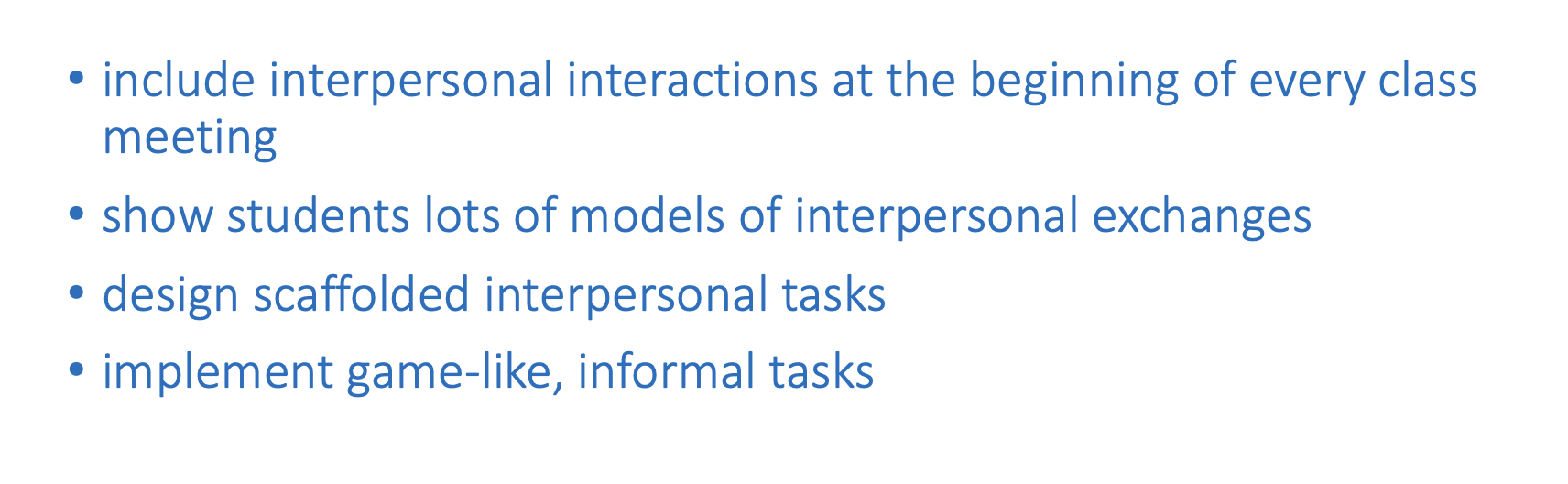
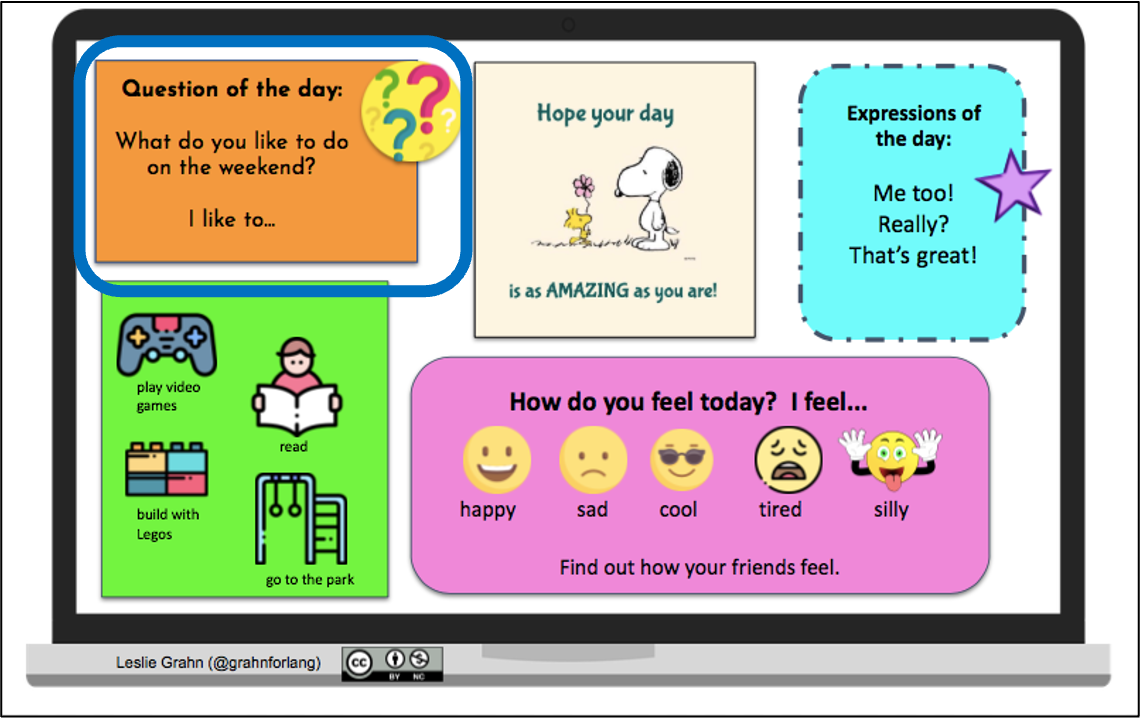
  1. One way to build student confidence in participating in interpersonal speaking is to begin every lesson with a “turn and talk” task as part of the opening routine. Provide students with a prompt such as a “question of the day” which they use as a conversation starter with a classmate.
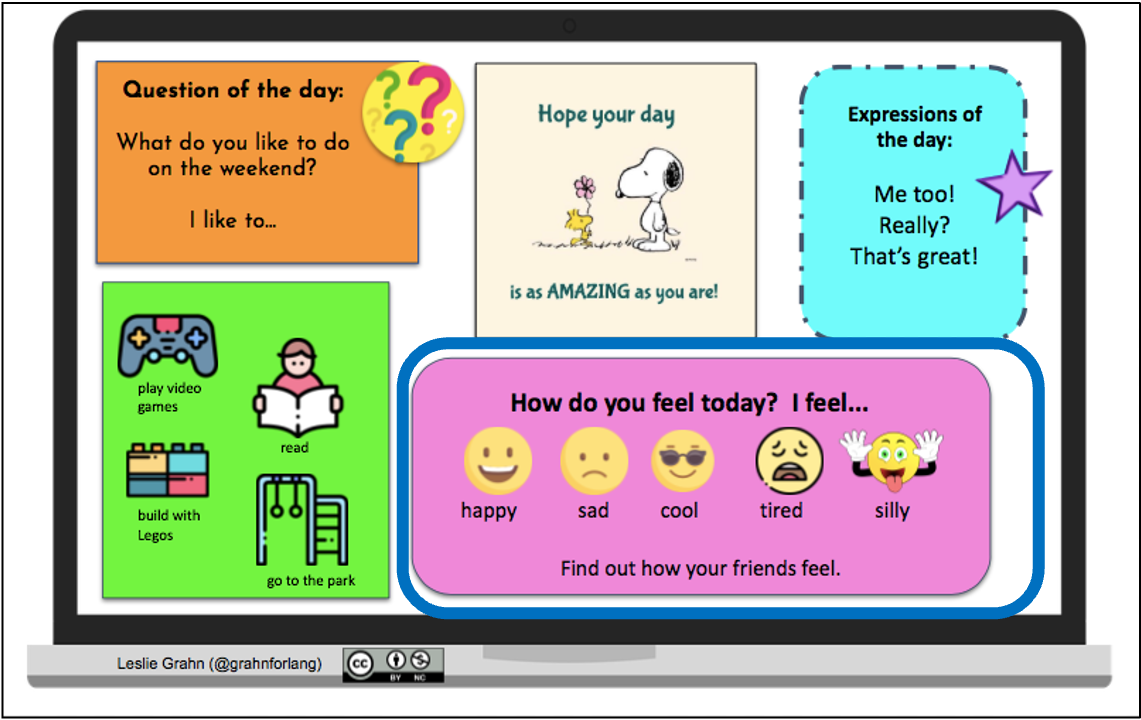
Similarly, students may conduct an interpersonal exchange through a daily Social Emotional Learning (SEL) check-in.
Looking for ideas for SEL check-ins? Check out this Pinterest board: https://www.pinterest.com/grahnforlang/social-and-emotional-learning/check-ins-on-a-scale-of-this-or-that-would-you-rat/

2. Another way to build confidence, is to show students lots of models of interpersonal exchanges, through live or recorded interactions. Some examples of sources for such exchanges include:

Audio Lingua (in 14 different languages)Dialogues in Spanish with audio
French Speaking Practice on TikTokItalian Conversations YouTube
ASL Conversations (YouTube)Chinese Conversation Clips (YouTube)

As students listen to interpersonal conversations in the target language, they can use organizers like this one from Kylie’s Corner on TPT which is FREE! (https://www.teacherspayteachers.com/FreeDownload/EDITABLE-Speech-Bubbles-4860879)
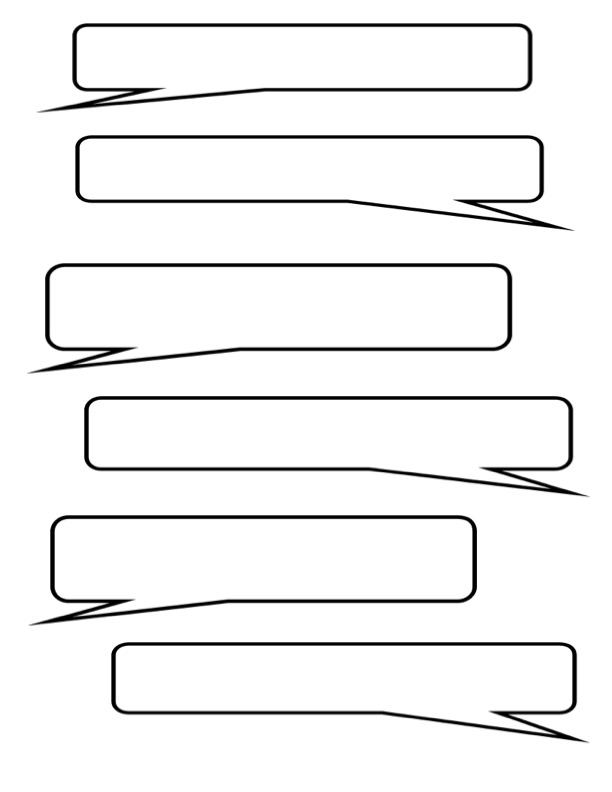
Students record what they hear either by scripting the entire conversation or by listing questions, responses, reaction phrases, etc. Students can also critique the interaction by suggesting ways the interlocutors could have improved the exchange. If the interpersonal models are via video, teachers may lead a class discussion about cultural products, practices, and/or perspectives that are evident.

3. Designing scaffolded interpersonal tasks is an additional confidence-building tactic. Expression lists, sentence starters, charts, and graphic organizers can be added as scaffolds to tasks. Here is an example of a scaffolded interpersonal task from a unit on free time activities and hobbies using the inside-outside circle strategy.
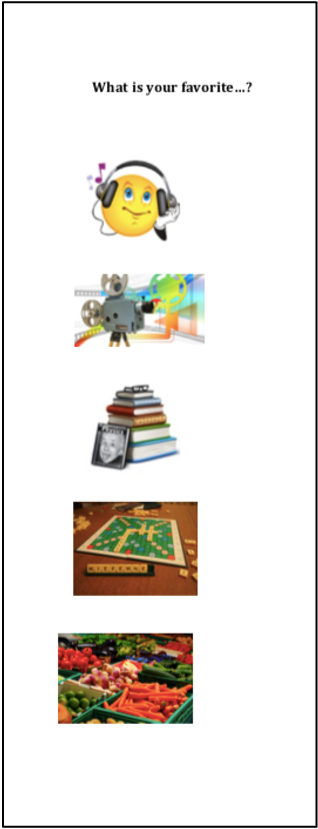
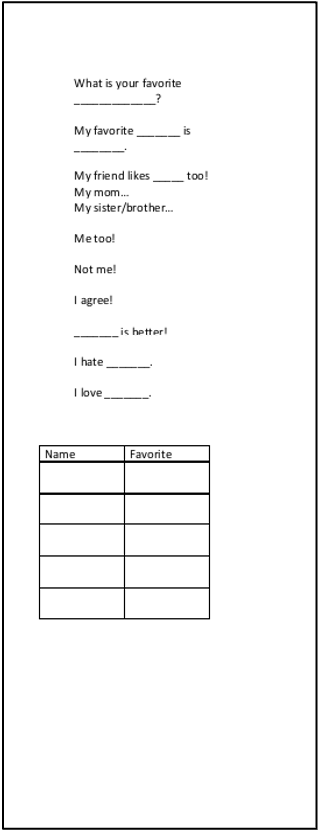
On the front of the card, students have a series of images that relate to categories of their favorite things. As they move from talk partner to talk partner, they ask and answer the question: “What’s your favorite _____?” (ex. music, movie, book, game, food).

On the back of the card, there are sentence starters and communicative fillers to support students in their interactions. In addition, there is a T-chart where students record their classmates’ responses.

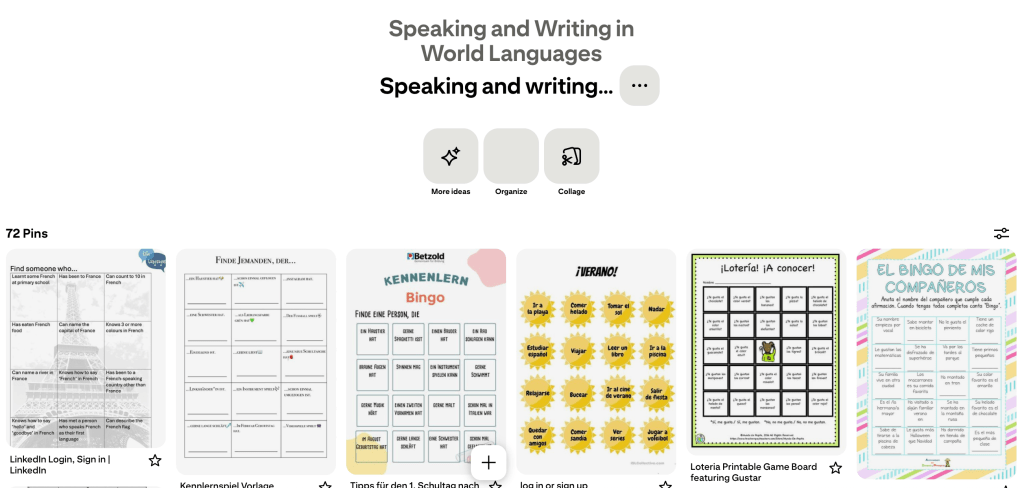
4. Finally, implement game-like, informal tasks for students to practice having interpersonal conversations. Strategies like Find Someone Who/Human Bingo, Speed Friending, Conversation Jenga, and Chat Stations can build student comfort in the interpersonal mode.

You can find lots of examples of those and similar strategies on this Pinterest board: https://www.pinterest.com/grahnforlang/speaking-and-writing-in-world-languages/speaking-and-writing-games/
Which strategy/strategies work for you? Which strategy will you try?

Happy end of the school year!: Ideas for the last days

As we come to the end of the school year, we often feel like we have run out of steam. We have very little energy left for creativity. Neither do our students. And, in these last two years, it is possible that we are more exhausted than we have ever been before.

It is my hope that you can use some of the ideas I offer here to make planning for these last weeks of school a little easier. Enjoy!

Practicing speaking and writing skills

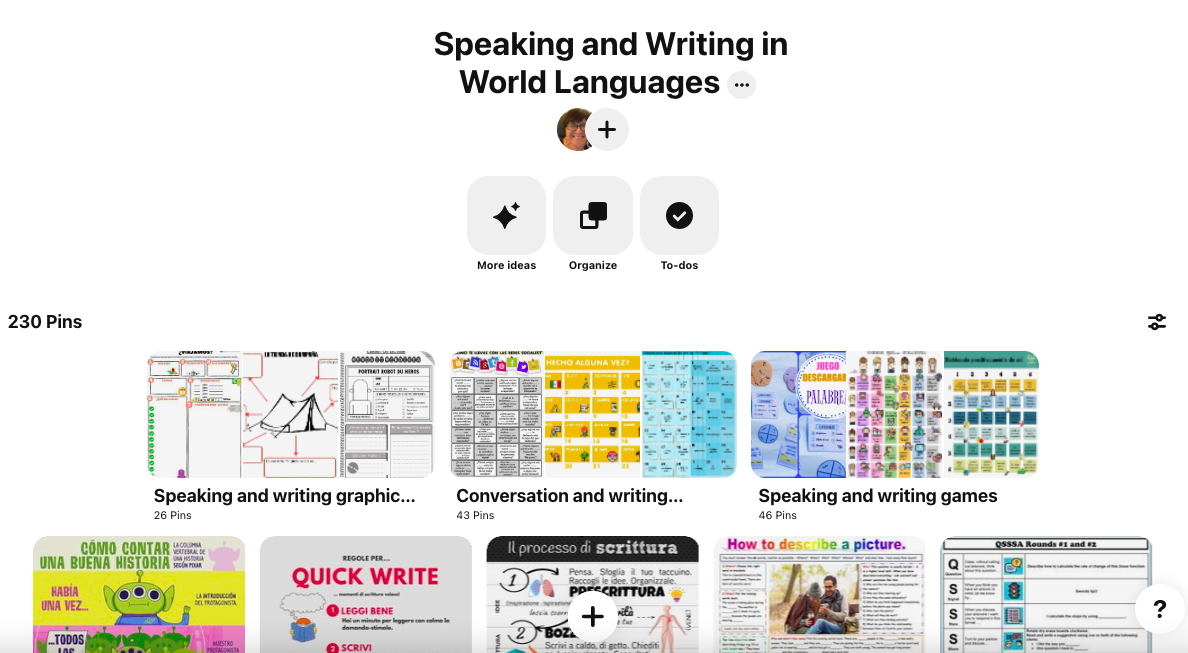
Typical end of year activities might include students playing games in the target language; practicing speaking and writing skills. Here are some resources for you in the target language for flexing students’ speaking and writing muscles:

https://www.pinterest.com/grahnforlang/speaking-and-writing-in-world-languages/

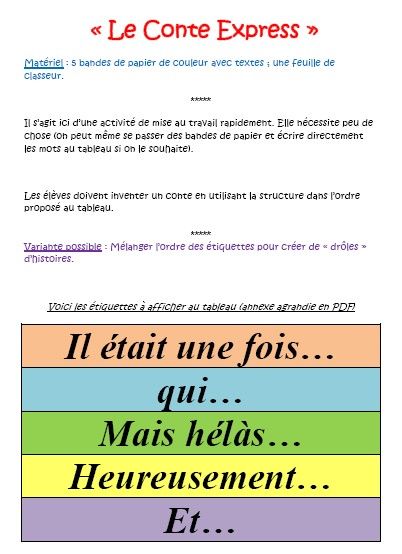
To make those activities more communicative, you might add a support that includes rejoinders or language chunks that will make their writing more natural and their speaking more authentic:

End of year projects and multi-step tasks

Here are some ideas for projects and multi-step tasks that will focus your students on using the target language up until the last day of school and allows them to create a performance or product for a real world purpose:

  1. Advice for next year’s students
  2. Writing children’s stories
  3. A healthy debate

1. Advice for next year’s students (recommended for novice levels)

For this project, students create a welcome packet for next year’s classes. The packet might include:

a. A letter to the new students giving advice on how to succeed in the class (may have to be written in English based on the course level)

b. A map of where to find what they need in the classroom

c. A chat mat of the most important phrases they will need

d. A game designed to help students practice what they will learn in the class

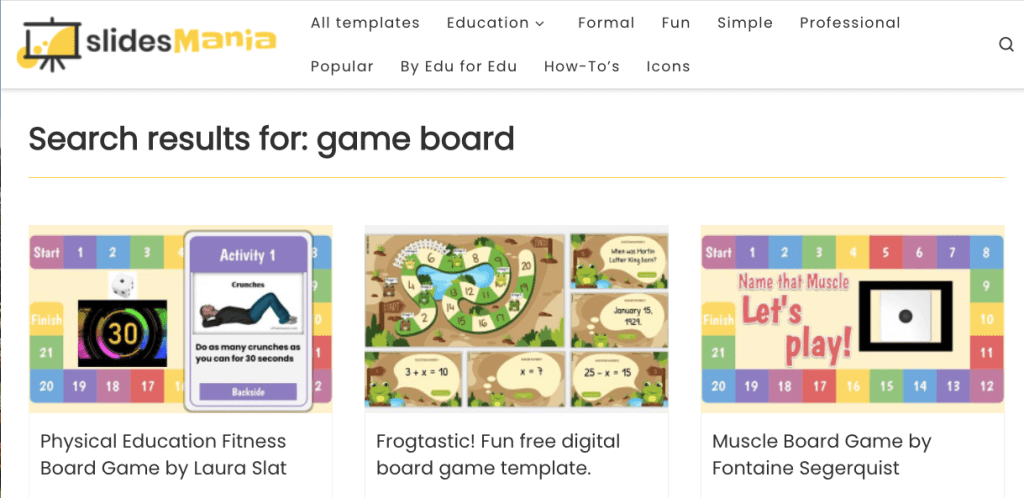
Here are some game board templates from Slidesmania:

2. Writing children’s stories (recommended for intermediate levels)

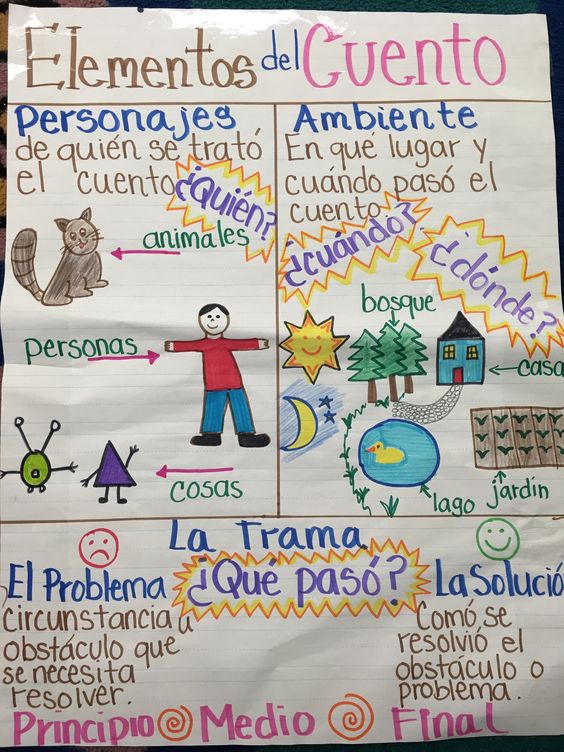
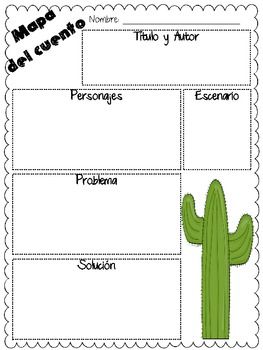
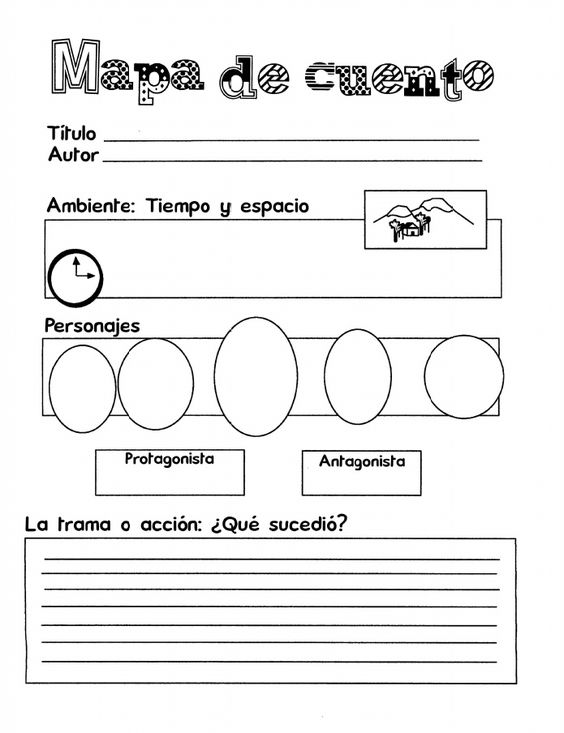
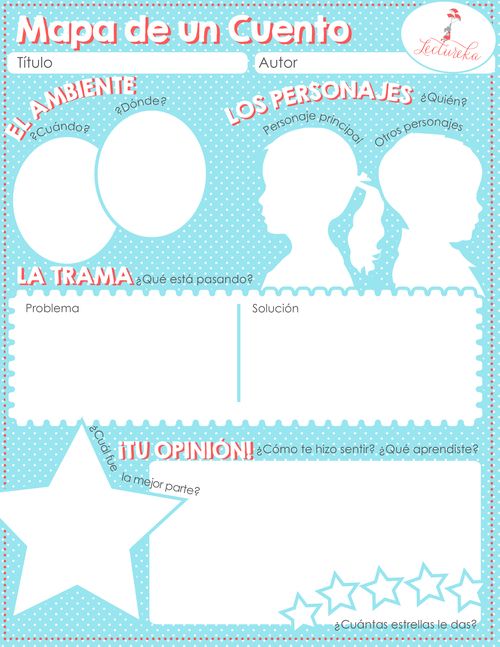
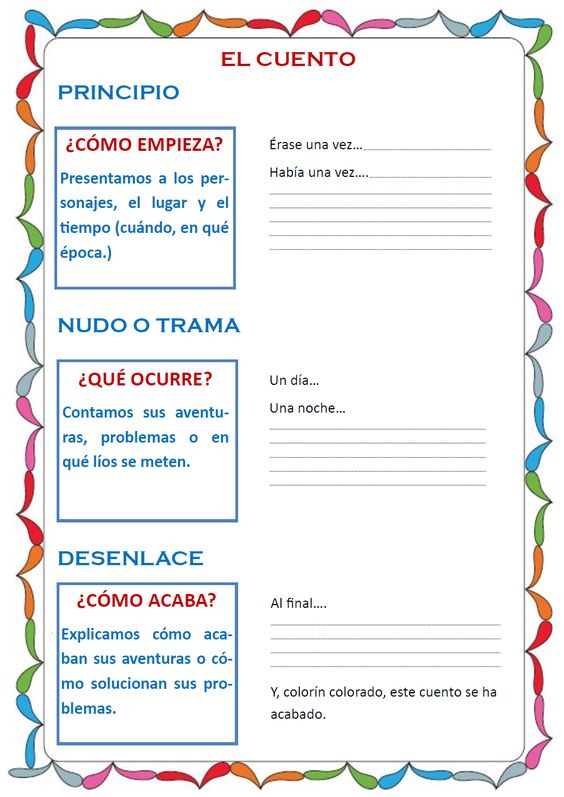
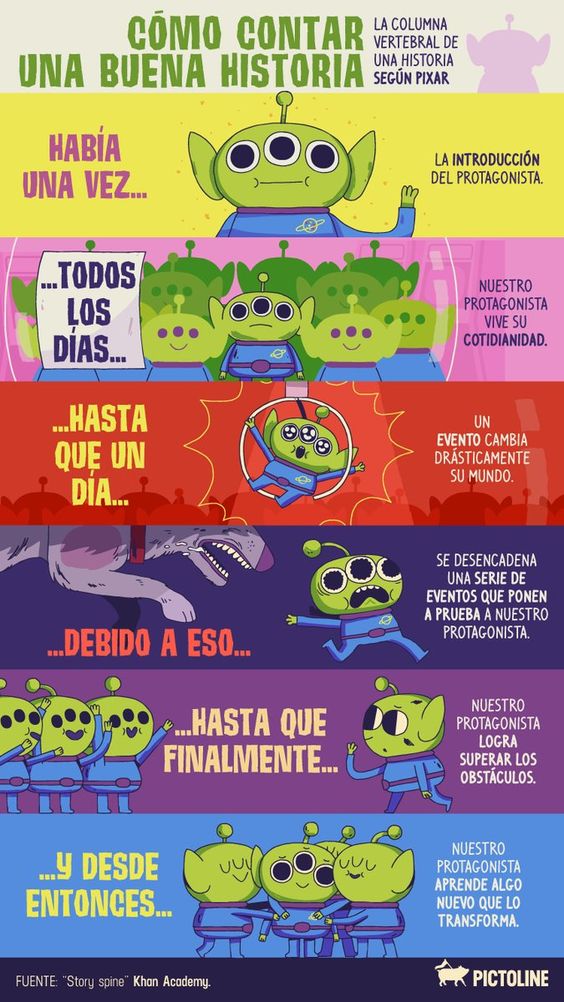
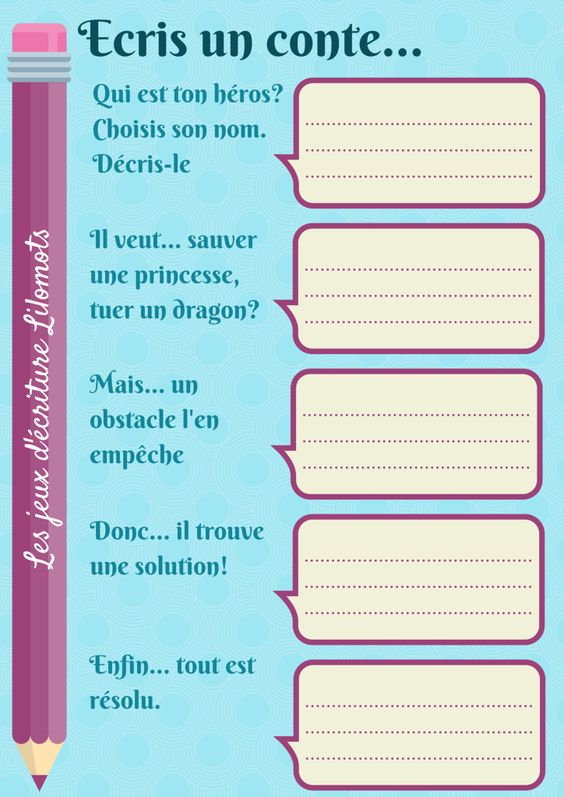
a. Individually or in pairs, students analyze children’s stories in the target language using storyboarding, story maps, or other tools.

Here’s the link to my website where I have provided lots of links to online stories and books: https://www.grahnforlang.com/authentic-resources.html#books

You will find graphic organizers in the target language for storymapping here: https://www.pinterest.com/grahnforlang/speaking-and-writing-in-world-languages/speaking-and-writing-graphic-organizers/

b. Students use what they learned from the story analysis to write and illustrate their own stories.

c. Students receive feedback from peers and their teacher on their stories.

Ideas for peer feedback here: https://www.pinterest.com/grahnforlang/feedback/

d. Students publish the final drafts of their stories.

e. Students read their stories in person or record their stories for a group or class of students at the nearby elementary school or school-based nursery school/daycare.

3. A Healthy Discussion/Debate (recommended for intermediate and advanced levels)

For this multi-step task, students will debate the best ways to maintain a healthy lifestyle. Student pairs or small groups choose an activity that has positive effects on health. Some examples might include:

a. Walking: https://www.pinterest.com/grahnforlang/walking-health-benefits-authentic-resources/

b. Sleeping/napping: https://www.pinterest.com/grahnforlang/sleeping-and-napping/

c. Music: https://www.pinterest.com/grahnforlang/art-dance-music-and-theatre-authentic-resources/benefits-of-music-and-singing/

d. Smiling/laughing: https://www.pinterest.com/grahnforlang/happiness-authentic-resources/

e. Veganism/vegetarianism: https://www.pinterest.com/grahnforlang/veganism-vegetarianism/

f. Cycling: https://www.pinterest.com/grahnforlang/cycling-authentic-resources/

Stage 1:

a. The teacher selects a topic from the list to use as a model.

b. The teacher guides students through completing the argument graphic organizer as they interpret the authentic texts.

c. The teacher selects a discussion/debate instructional strategy. Some examples might include:

Debate team carousel: https://s3.amazonaws.com/scschoolfiles/546/debate_team_carousel_template.pdf

Talking chips: https://www.smore.com/7a7p5-talking-chips

Bounce cards: https://www.s2temsc.org/uploads/1/8/8/7/18873120/bounce_cards_strategy.pdf

Dice cards: https://tekhnologic.wordpress.com/2016/06/20/dice-cards-an-activity-to-encourage-participation/

Nomination cards: https://tekhnologic.wordpress.com/2016/03/29/nomination-cards-giving-students-a-chance-to-speak/

You will find some additional ideas for discussion/debate strategies here: https://www.grahnforlang.com/questioning-and-discussion.html

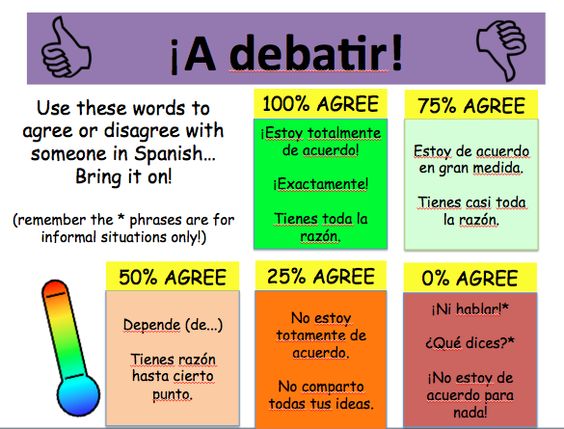
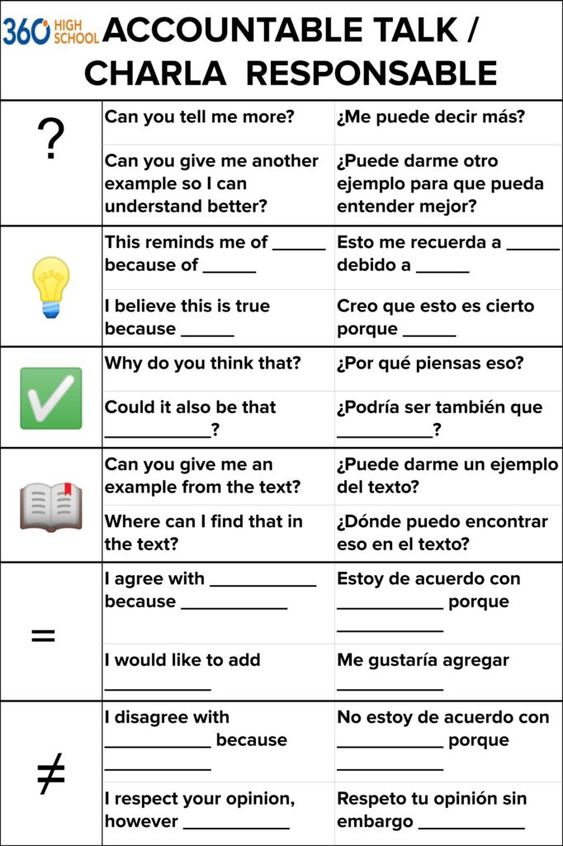
d. The students participate in a whole class or small group debate/discussion using their completed graphic organizers and the argument/discussion expression lists.

You can find additional expression lists for discussing/debating here: https://www.pinterest.com/grahnforlang/target-language-tools-supports-and-scaffolds/

Stage 2: Students research the health benefits of their chosen activity and record their arguments and evidence on a graphic organizer.

Stage 3: Student groups design and administer a survey for their classmates based on their research.

Stage 4: Students participate in the discussion/debate using an instructional strategy. They will base their arguments on examples from the authentic resources and the survey results.

Stage 5: After hearing all of the arguments, students rank the healthy lifestyle activities presented to the class based on which activities they will be adopting in the future.

Here’s wishing you a great summer that is reenergizing and rejuvenating!

(Post photo source: pinterest.com)